
In English, we will often use a noun to describe the type, purpose, or material of another noun. In other words, we can use a noun (a word for a person, place, thing) like an adjective (a word that describes a noun). For example:


In this post, we’ll talk about how to use nouns like adjectives. We’ll talk about what form of the noun to use, when and why you should use a noun to describe another noun, and we’ll talk about compound words in English.
Are you ready for some grammar fun? Do you think your English brain is ready for this? Let’s get a learning session going here!
How to use a noun as an adjective in English?
To use a noun to describe another, put it right before the noun it modifies. Just like an adjective! The noun that acts like an adjective is called the modifying noun, and the noun that is being described is the head noun.

Let’s talk about a few more details!
The modifying noun is usually singular, even if the head noun is plural:
 They bought two picture frames at the store.
 There are six blueberry pancakes in the stack.
If there are other descriptive words before the head noun, the modifying noun will usually come after them.
 I put the photo in an ancient, gold picture frame.
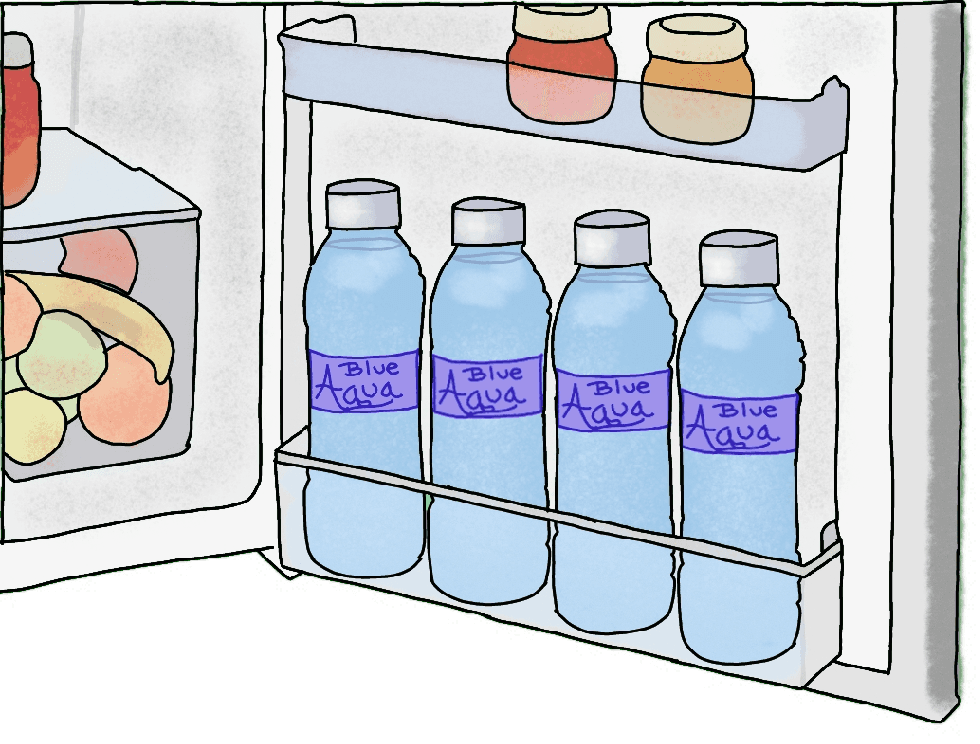 We have several cold, blue water bottles.
You can use more than one modifying noun before the head noun:
 I bought five wool army blankets.blankets made of wool that are of the type used by the armyShe made these with a blueberry pancake mix.a mix for blueberry-flavored pancakes
Keep reading to learn more about how to choose the right order for your modifying nouns!
A pronunciation note!
In a neutral situation, when a noun is described by an adjective, the noun is stressed in English:
- a blue cup, an incredible journey, an amazing party…
But if the modifying word is a noun, the stress is usually on the modifying noun instead:
- washing machine, home loan, birthday party, history book, English class, summer school, truck driver...
However, occasionally the head noun still receives stress. This is usually when the modifying noun tells you about what the head noun is made of or when the combination of two nouns is very common, but this is not a strict rule.
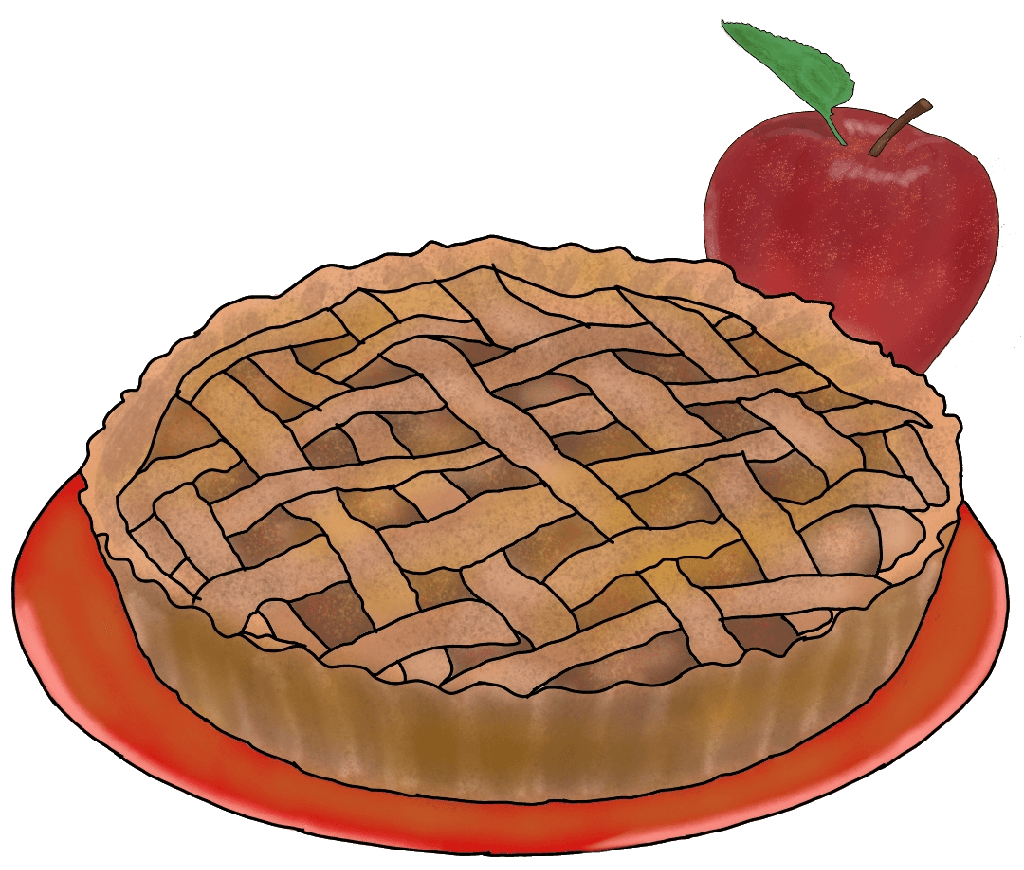
- apple pie, cotton shirt, wool blanket, blueberry pancakes...
When there are many modifiers, generally the last modifying noun is stressed:
- student loan help center, wool army blankets, summer heat index...
When to use a noun to describe another noun?
We use a modifying noun to describe a head noun when we want to specify what type of noun the head noun is by stating it has a relationship to the modifying noun.
Here are some of the relationships that often exist between the modifying noun and the head noun:
Something and its purpose:
water bottle→ a bottle for water
coffee table→ a table designed for drinking coffee around
pancake mix→ a mix for making pancakes
birthday party→ a party for a birthday
home loan→ a loan for a home
student government→ a government for students
washing machine→ a machine for washing clothes
pain pills→ pills for treating pain
tree bark→ bark for/of a tree
An object and what it is made out of:
cotton shirt→ a shirt made of cotton
blueberry pancakes→ pancakes made with blueberries
snakeskin boots→ boots made out of the skin of a snake
clover honey→ honey made from clover flowers
A thing and its topic:
history book→ a book about history
cat video→ a video of cats
English class→ a class about English
family photos→ photos of a family
English homework→ homework about English
math problem→ a problem about math
A noun for an action or an and the of the action. This is particularly common when the head nouns that end in -er (an ) or -ing (a ):
truck driver→ someone who drives trucks
fireplace poker→ a tool for poking the fireplace
window washing→ an action where someone washes windows
potato planting→ an action where someone plants potatoes
Learn more about noun phrases like these in our post on action nouns in English!
Something and when it happens:
summer school→ school that happens in the summer
midday meal→ a meal that happens at midday (noon)
Something and where it is/happens:
street hockey→ hockey played in the street
neighborhood park→ a park in a neighborhood
corner store→ a store at the corner of the street

How to figure out the meaning of a phrase with many modifying nouns?
When a head noun has more than one modifying noun, you can often figure out the meaning by starting with the pair of nouns on the left and working to the right, one noun at a time. What does that mean? Let’s look!
Here is a noun with a lot of modifying nouns: the student loan help center.
To break this down, we start with the first two nouns:
Then use that as the modifying noun for the next noun:
And so on!
With nouns like this, every noun except the first is, at some point, described by another noun:
loan is the head noun of student loan
help is the head noun of student loan help
center is the head noun of student loan help center
Let’s look at one more very unlikely and very difficult example:
- milk deliverythe act of delivering milk
- milk delivery trucka truck for delivering milk
- milk delivery truck driversomeone who drives a truck for delivering milk
- milk delivery truck driver licensea license that allows someone to drive a truck for delivering milk
- milk delivery truck driver license examan exam that you must pass to get a license to drive a truck for delivering milk
- milk delivery truck driver license exam supervisorsomeone who supervises the exam that you must pass to get a license to drive a truck for delivering milk! 😌
If you can read that one, you can do anything!
What are compound nouns in English?
A compound noun is a single noun that is created by combining multiple words. For example…




Notice that the examples above look just like noun + noun phrases except that there is no space! Over time, noun + noun phrases that we use very often often become “compound words.”
Compound nouns are more likely to have an unpredictable or idiomatic meaning than noun + noun sequences, because we use them together so often. For example:
✅ a round cake made from flour that is cooked in a pan and usually served with butter, syrup, and sometimes fruit (at least this is the meaning in the USA!)
❌ any cake made in a pan

✅ a colored arc you see in the sky after rain
❌ a bow made of rain
Therefore, it is best to look up these words in a dictionary if you aren’t sure of their meaning!
Nouns that describe nouns vs. “denominal adjectives”
We mentioned above that, in English, it is also possible to turn a noun into an adjective by adding a special ending. In this section, we’ll look at the difference between these adjectives that come from nouns (also known as denominal adjectives) and nouns that are used to describe other nouns.
Difference 1: Adjectives have a fixed meaning
When we use an adjective that comes from a noun, the meaning is fixed. But when we use a noun to describe another noun, the meaning can change more with context:
Adjective Noun woolen scarf → a scarf made of wool
woolen factory → a factory made of wool
woolen farmer → a farmer made of wool
wool scarf → a scarf made of wool
wool factory → a factory for making wool
wool farmer → a person who farms wool (= sheep farmer)
Difference 2: Order
A noun being used to describe another noun will always come after all of the adjectives:
❌ a dirt blue bike
✅ a blue dirt bikea blue motorcycle for riding in the dirtAdjectives can come before or after other adjectives, as long as they follow the correct adjective order for English.
✅ a dirty blue bikea blue bicycle covered in dirt✅ a big dirty bikea big bicycle covered in dirt
Have a look at this list of suffixes to make adjectives in English!
Summing up
In this post we’ve taken a look at how you can use nouns to describe other nouns. Here are some things to remember about how to form noun + noun phrases:
The modifying noun comes before the head noun (just like an adjective).
Use the singular form of the modifying noun.
Put any adjectives before the modifying noun.
Usually the last modifying noun gets the stress.
We also talked a bit about the meaning of noun + noun phrases:
The noun and its modifier have some kind of relationship. This can be:
Something and its purpose (student loan)
Something and what it is made of (cotton shirt)
Something and its topic (history book)
An action and its object (hockey practice)
Something and when it happens (winter break)
Something and where it is (school auditorium)
And more!
When reading phrases with more than one modifying noun (student loan help center), it can help to start with the pair on the left and work to the right!
Now, you’re ready to practice! Have a look at these activities on using English nouns as adjectives. Happy learning!