Language preservation
Endangered and indigenous languages, free to learn
Mango teaches 10 languages that are at risk of falling out of daily use, and every one of those courses is free. Real conversations, native-speaker audio, and the culture behind the words, the same way Mango teaches everything else.
Free courses
Choose a language
Each card shows where the language comes from, where it's spoken today, and how at risk it is.
Shifting
Chaldean Aramaic
Chaldean Aramaic is a living descendant of the language once spoken across Mesopotamia. Displacement has scattered many speakers to Michigan, California, and Western Europe, and the language is shifting: families raise children in Arabic or English while Chaldean Aramaic holds on in prayer, cooking, and conversation with grandparents. Mango built this course with the Chaldean community in Detroit.
Originates in Mesopotamia
Spoken today in Iraq, Iran, the United States, and Western Europe

Definitely endangered
Cherokee
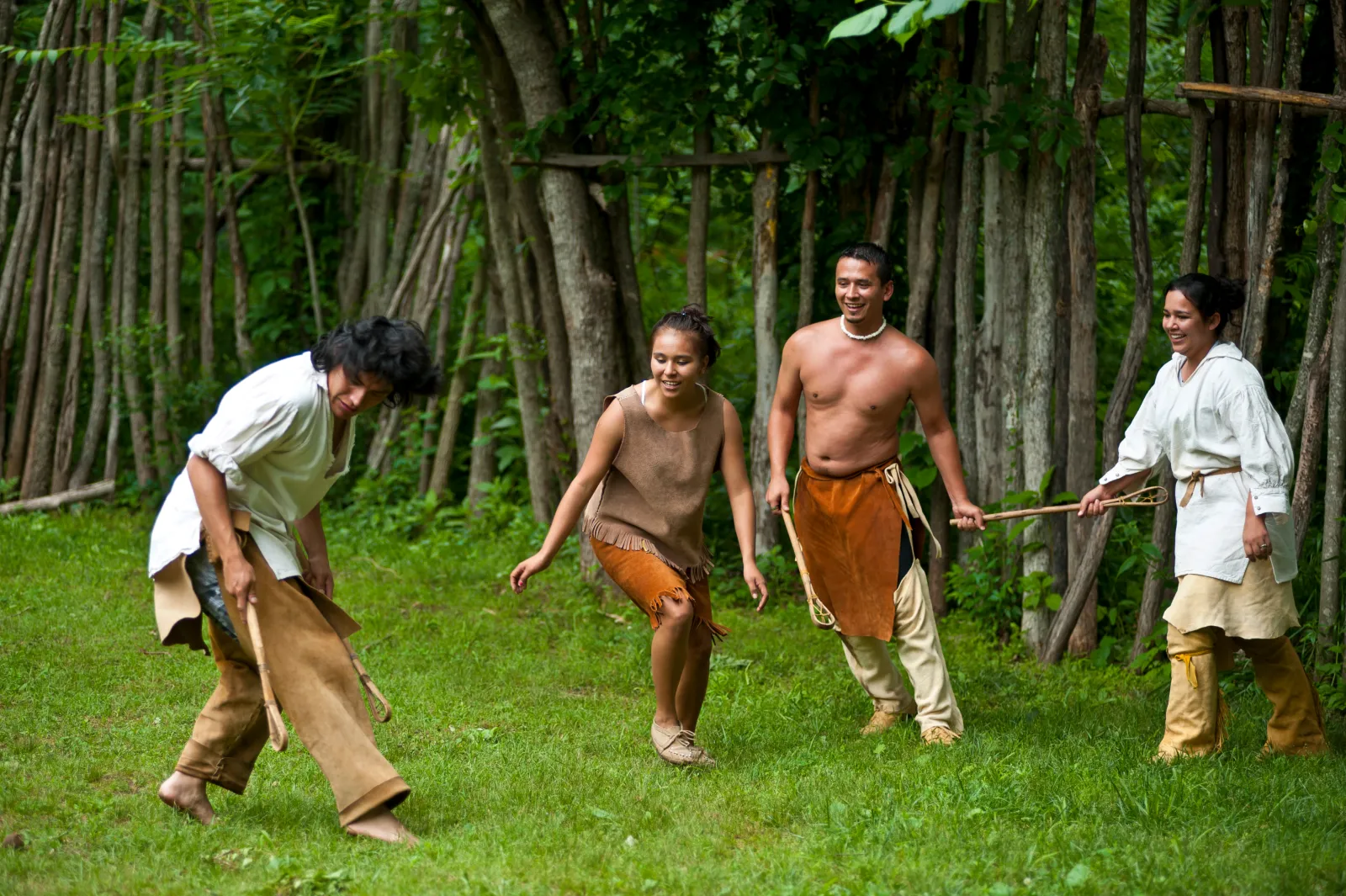
Cherokee is written in a syllabary that Sequoyah built from scratch in the 1820s, a writing system adopted so quickly that the Cherokee Nation was publishing its own newspaper within a decade. Cherokee is now definitely endangered: children learn English first, and fluent speakers are largely elders. Immersion schools in both communities are working to change that, and every new speaker is part of it.
Originates in the eastern woodlands of North America
Spoken today in Oklahoma and North Carolina
Vulnerable
Dzongkha
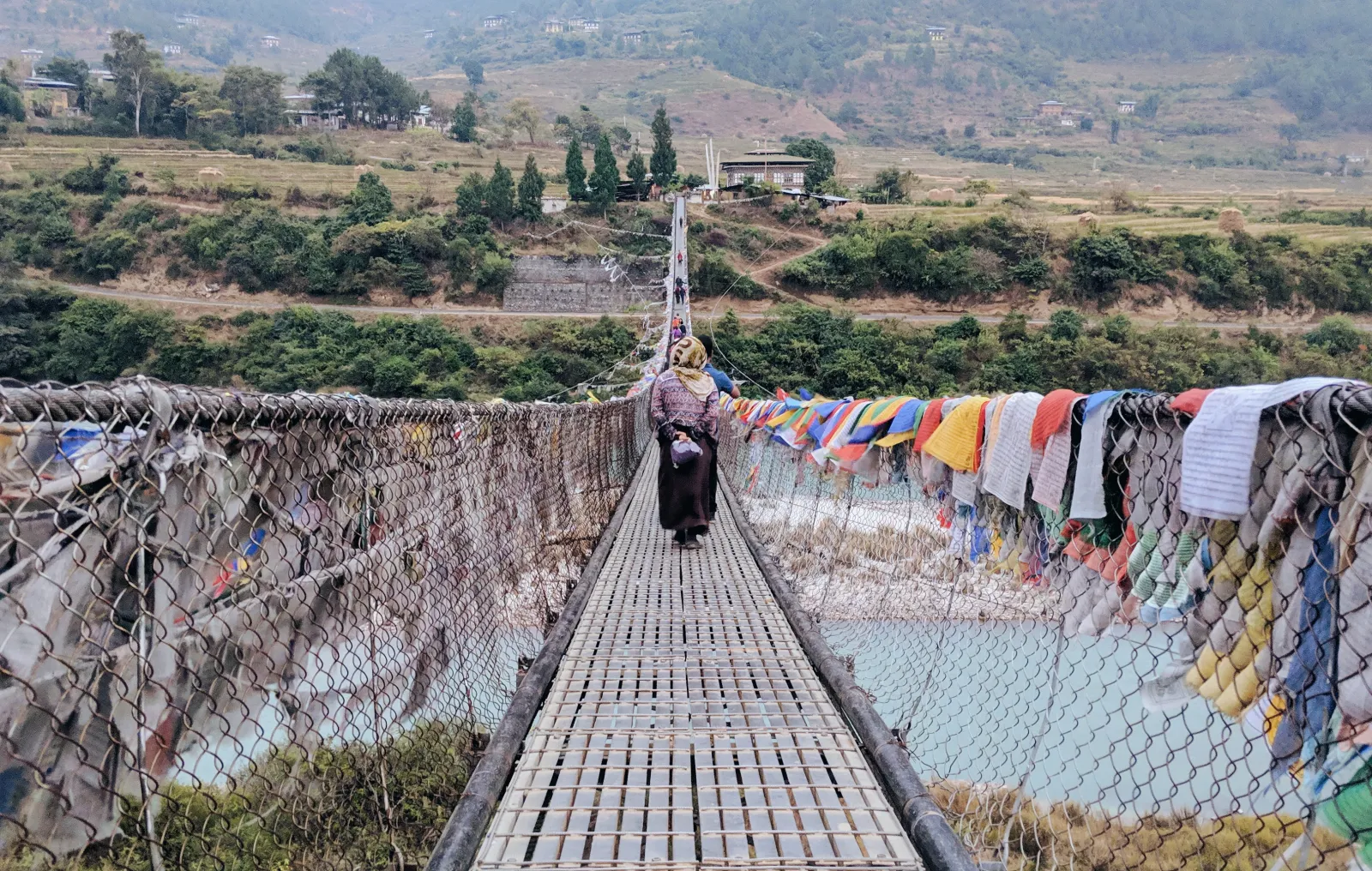
Dzongkha means "the language of the fortress", and is the national language of Bhutan. But Bhutan is a country of many languages, and English carries much of school and business, so Dzongkha is classed as vulnerable: widely spoken, formally protected, and still losing ground in the places where daily life actually happens.
Originates in the western valleys of Bhutan
Spoken today in Bhutan
Critically endangered
Hawaiian
ʻŌlelo Hawaiʻi carries a wealth of culture within its words. Banned as a language of instruction for most of the twentieth century and currently classified as critically endangered, a recent resurgence in revitalization efforts have shown progress in a way few languages can claim.
Originates in the Hawaiian Islands
Spoken today in Niʻihau and Hawaiʻi

Definitely endangered
Irish
Irish is the first official language of Ireland, a working language of the European Union, and the voice behind a thousand years of poetry, place names, and law. It is also definitely endangered, which surprises people: almost everyone in Ireland studies it, and comparatively few speak it at home. The Gaeltacht regions along the Atlantic coast are where it still runs the day, and where its future is most closely watched. Learn it and every road sign, song lyric, and townland name starts telling you what it actually means.
Originates in Ireland
Spoken today in Ireland

Critically endangered
Potawatomi
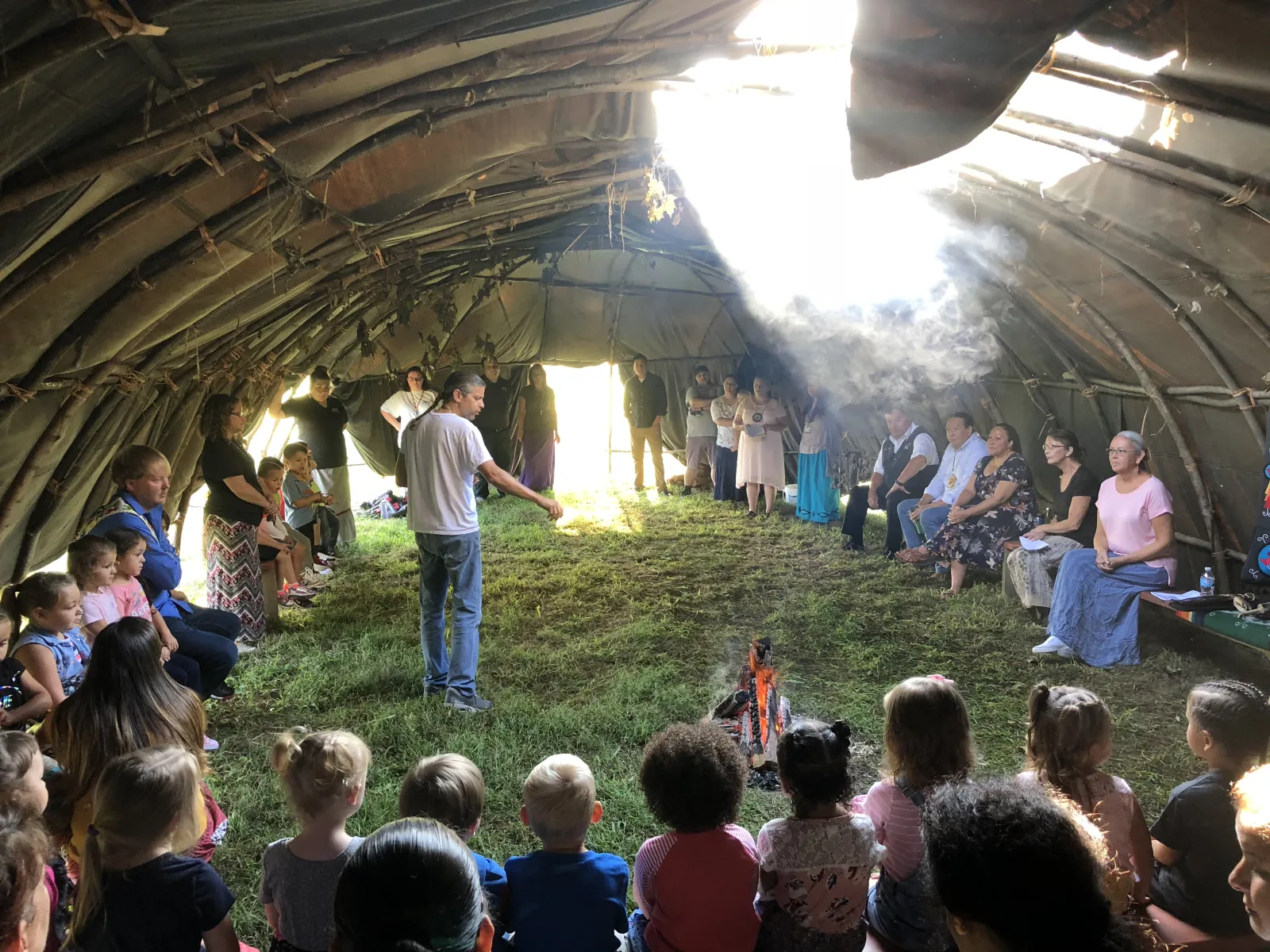
Potawatomi, or Bodwéwadmimwen, is the native language of the Potawatomi people. Created in collaboration with the Pokagon Tribe of Potawatomi as a part of their language revitalization efforts, this course delivers a blend of learning features, exercises, and personalized review with an award-winning conversational learning process that focuses on the four skills necessary to connect in another language; grammar, vocabulary, pronunciation, and culture.
Originates in the Great Lakes region of North America
Spoken today in Michigan, Oklahoma, Kansas, and Ontario
Definitely endangered
Scottish Gaelic
Scottish Gaelic named most of the map of Scotland long before it became a minority language. Classified as definitely endangered, the singers, teachers, and broadcasters who use it every day matter in the efforts to preserve this unique language.
Originates in Scotland
Spoken today in Scotland

Shifting
Shanghainese
Shanghainese is the sound of Shanghai itself: distinct enough from Mandarin that speakers of one can't easily follow the other. It carries the wit of the city's alleyway humor, its opera, and the era when Shanghai was the most cosmopolitan port in Asia. Today it is shifting, but speaking Shanghainese in Shanghai shows an appreciation of culture and context.
Originates in Shanghai and the Yangtze delta
Spoken today in Shanghai

Vulnerable
Tuvan
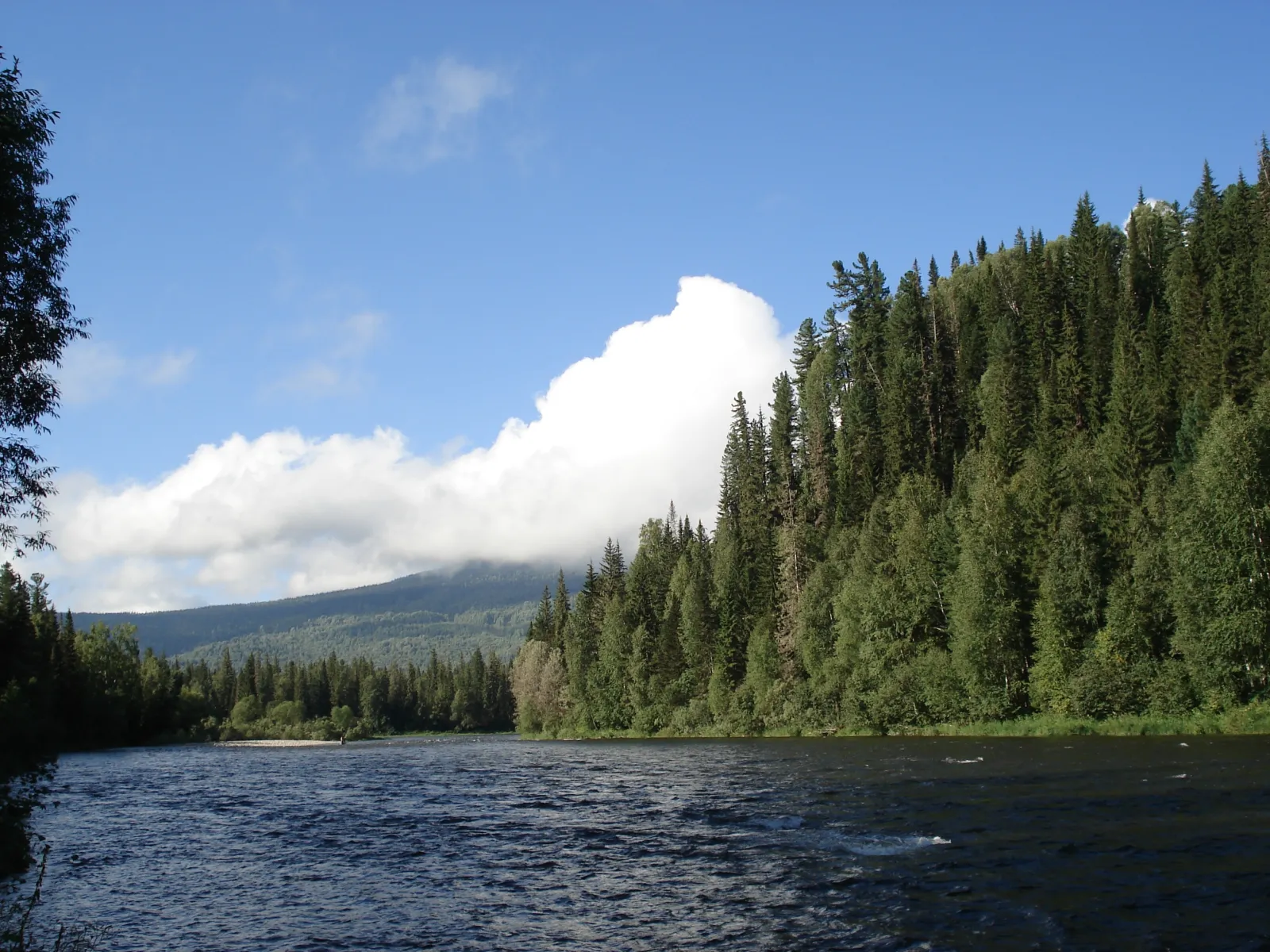
Tuvan belongs to the grasslands and taiga between Siberia and Mongolia, and it is the language behind khoomei, the throat singing that imitates the sound of wind, water, and animals. Herding, horsemanship, and a vocabulary tuned to a landscape most people never see are all encoded in it. Russian dominates schooling and administration, which is why Tuvan is classed as vulnerable rather than secure. Almost nobody teaches it, which is exactly why the people who speak it notice when you try.
Originates in Tuva, in southern Siberia
Spoken today in Tuva
Definitely endangered
Yiddish
Germanic in its bones, Hebrew and Slavic in its vocabulary, Yiddish is definitely endangered as an everyday secular language. Learn about traditions and beautiful music, or the wisdom inherited from more than three thousand years of history and ancestry.
Originates in Central and Eastern Europe
Spoken today in the United States, Israel, and Russia

In plain language
What each risk level means
Endangerment isn't one thing. These levels describe how a language is being passed between generations, from one whose use is narrowing to one whose last fluent speakers are elders.
Vulnerable
most children still speak it, but its use is narrowing to the home
Shifting
speakers are moving to a more dominant language, and fewer children are picking it up
Definitely endangered
children are no longer learning it as a first language at home
Critically endangered
the youngest fluent speakers are elders, and even they speak it rarely
How these courses get made
Built with the people who speak it
A language with few speakers left can't be taught from a textbook someone wrote about it. It has to come from the community that still uses it.
- 1
Ask the community first
A course like this begins with the people who still use the language every day: speakers, teachers, and the cultural organizations that have been keeping it going.
- 2
Record real voices
Every line is recorded with native speakers, so you learn the rhythm and pronunciation of the language as that community actually speaks it.
- 3
Teach the culture with the words
Culture and grammar notes explain what a phrase carries, not just what it translates to, so you use it the way it's meant to be used.
- 4
Publish it free
The finished course goes out at no cost, to anyone who wants to learn it.
Community partnership
The Chaldean Aramaic course came out of Detroit
Mango built its Chaldean Aramaic course with the Chaldean American Chamber of Commerce and the Chaldean Community Foundation in Detroit, Michigan, a community that has kept a Mesopotamian language alive thousands of miles from where it started. Their speakers, their teachers, their call on how it should be taught. That's the kind of partnership a course like this depends on.
Explore Chaldean AramaicFree access
What free means here
No subscription, and no plan required first. Open any course on this page and start the first lesson, with the same native-speaker audio and culture notes every other Mango course ships with.
free courses
- 10
Indigenous languages of North America and the Pacific
- 3
no subscription required
- $0
Questions
Before you start
- Yes. All 10 courses on this page are free to learn, with no subscription, and no plan required first.
- No, and the difference matters. Cherokee, Hawaiian, and Potawatomi are Indigenous languages of North America and the Pacific. Chaldean Aramaic, Dzongkha, Irish, Scottish Gaelic, Shanghainese, Tuvan, and Yiddish are languages at risk of falling out of daily use, each with its own history. The page covers both, and doesn't flatten them into one label.
- Each one is either an Indigenous language of a community working to keep it spoken, or a language classed as at risk. Where a community organization wanted a course built, Mango built it with them.
These courses sit alongside the full library of 70+ languages, which comes with an Individual or Family plan. Every plan starts with a free trial. See plans.
Organizations get Mango through their own plans. Schools and districts start at Mango for K-12, public libraries at Mango for libraries, and universities at Mango for higher ed. Ask about a specific language when you talk to the team.
Yes. Tell the team which language it is and where it is spoken today. Requests that come with a community behind them carry the most weight.
Pick the one you have a reason to speak
10 free courses, and a conversation you couldn't have before.