Activities: What are some ways to describe Japanese nouns without using traditional adjectives?
Exercise 1: Noun-modifying expressions
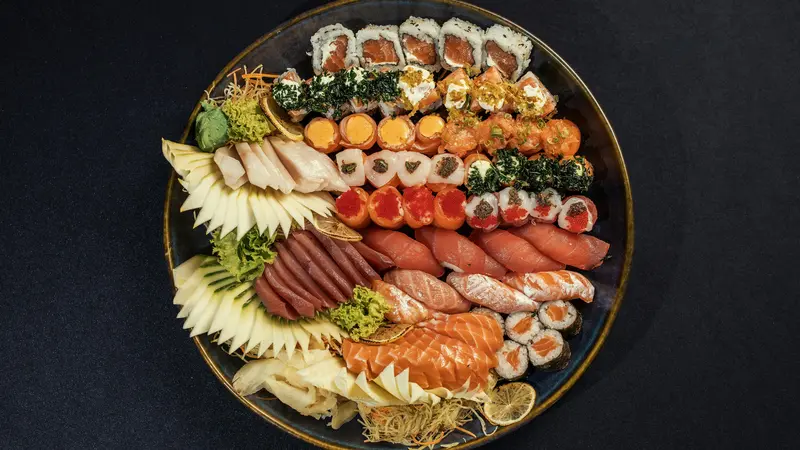
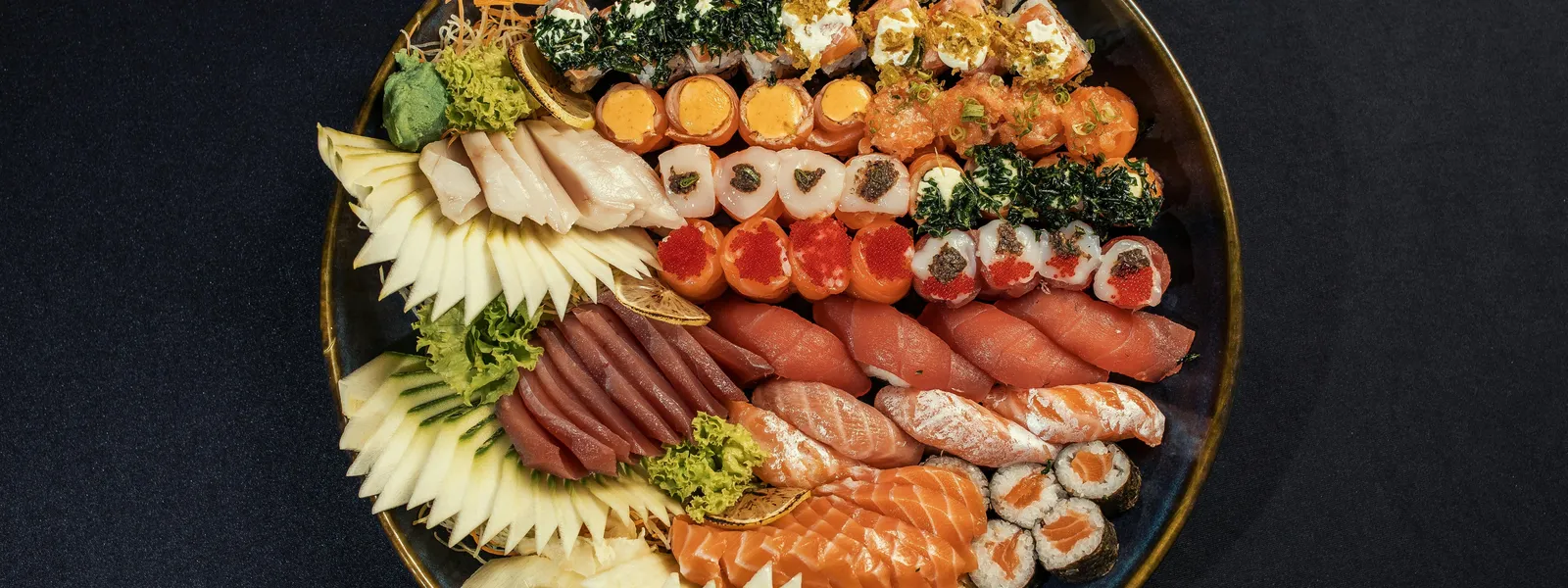
Let’s practice using various types of noun-modifying expressions! For each case below, complete each sentence that describes the images using the expressions given in the word bank. You may need to add a particle or change the shape of the word as you see fit (see the example). You can use each word only once.
Example:
チワワは 犬です。
Chiwawa wa ... inu desu.
Chihuahuas are small dogs.
公園に花が咲いている。
Kōen ni ... hana ga saite iru.
Purple-colored flowers are in bloom in the park.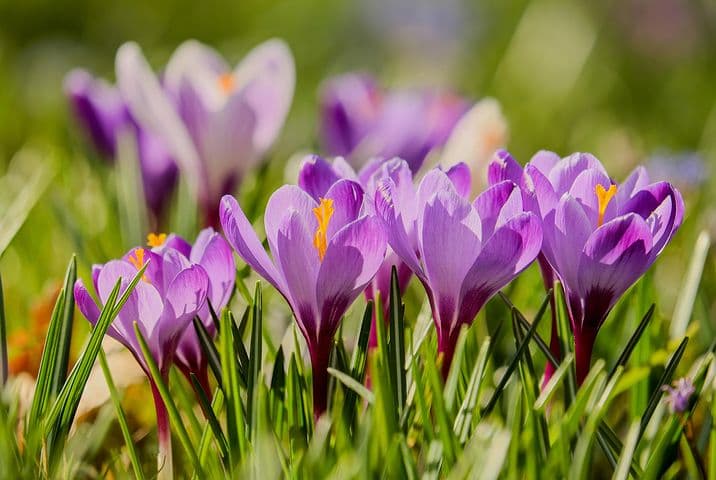
妹はぬいぐるみを大事にしている。
Imōto wa ... nuigurumi o daiji ni shiteiru.
My younger sister cherishes her worn-out stuffed toy.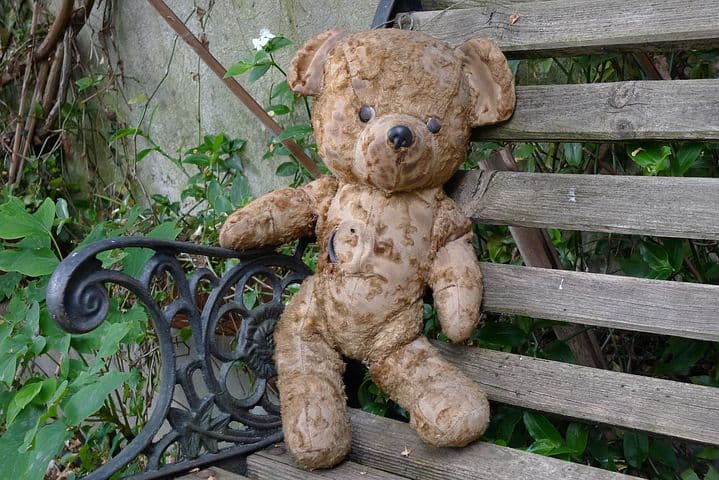
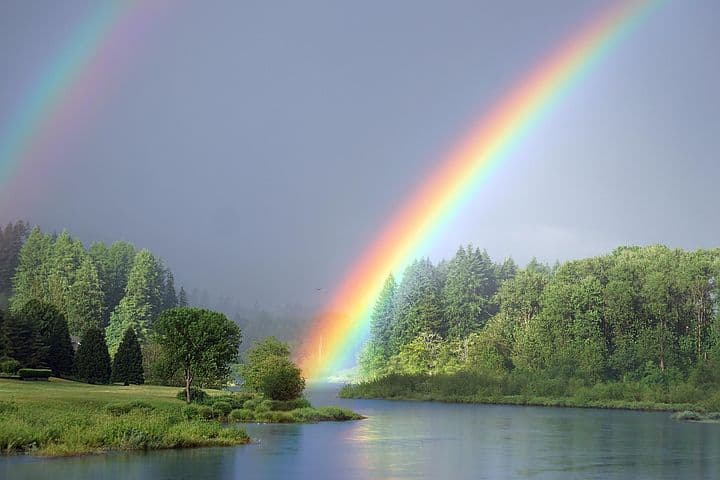
冬は湖でスケートをします。
Furyu wa ... mizu’umi de sukēo o shimasu.
We skate on the frozen lake.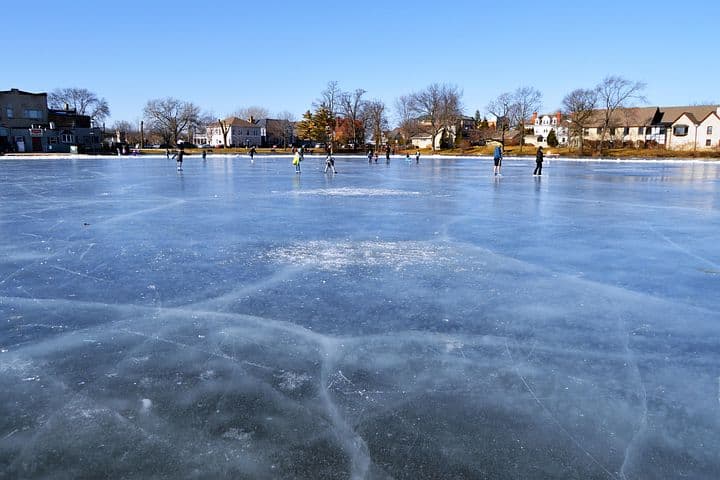
3番目の子豚は家に住んでいました。
Sanbanme no kobuta wa ... ie ni sundeimashita.
The third little pig lived in a brick house.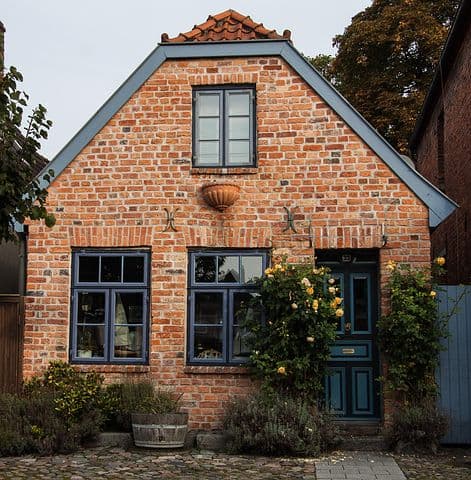
Exercise 2: Fix the Errors!
- その空き地には壊れました自転車がたくさん捨てられていた。Transcription: Sono akichi ni wa kowaremashita jitensha ga takusan suterareteita.Translation: Many broken bicycles had been abandoned in the empty lot.
- シロナガスクジラは動物の中で一番大きなだ。Transcription: Shironagasu kujira wa dōbutsu no naka de ichiban ōkina da.Translation: Blue whales are the biggest among animals.
- 今日は病気な友達のお見舞いに行った。Transcription: Kyō wa byōkina tomodachi no omimai ni itta.Translation: Today I went to see a sick friend of mine.
- どうして破れてジーンズが1万円もするんだろう。Transcription: Dōshite yaburete jiinzu ga ichiman en mo suru ndarō.Translation: Why does a pair of torn jeans cost ten thousand yen, I wonder?
- 朝ごはんはふわふわにパンケーキが食べたい。Transcription: Asagohan wa fuwafuwani pankēki ga tabetai.Translation: For breakfast, I want to eat fluffy pancakes.