Activities: “What is an adjective in English?”

By: revel arroway

Activity 1: What is it? What’s it like?

In this activity, you’ll practice placing adjectives into their position in short sentences.

Use any of the adjectives from this list. Make sure to use each adjective at least once!

angrydeliciousdisgustingemptyfatfullhandsome
happylongnewoldshortskinnysmall
tallthickthinuglywide

For each picture, follow the pattern in the first example:

  1. plane
    A silhouette of a large jet plane.

    1. It’s a plane.
    2. It’s big.
    3. It’s a big plane.
  2. plane
    An airplane that is too little for passengers.

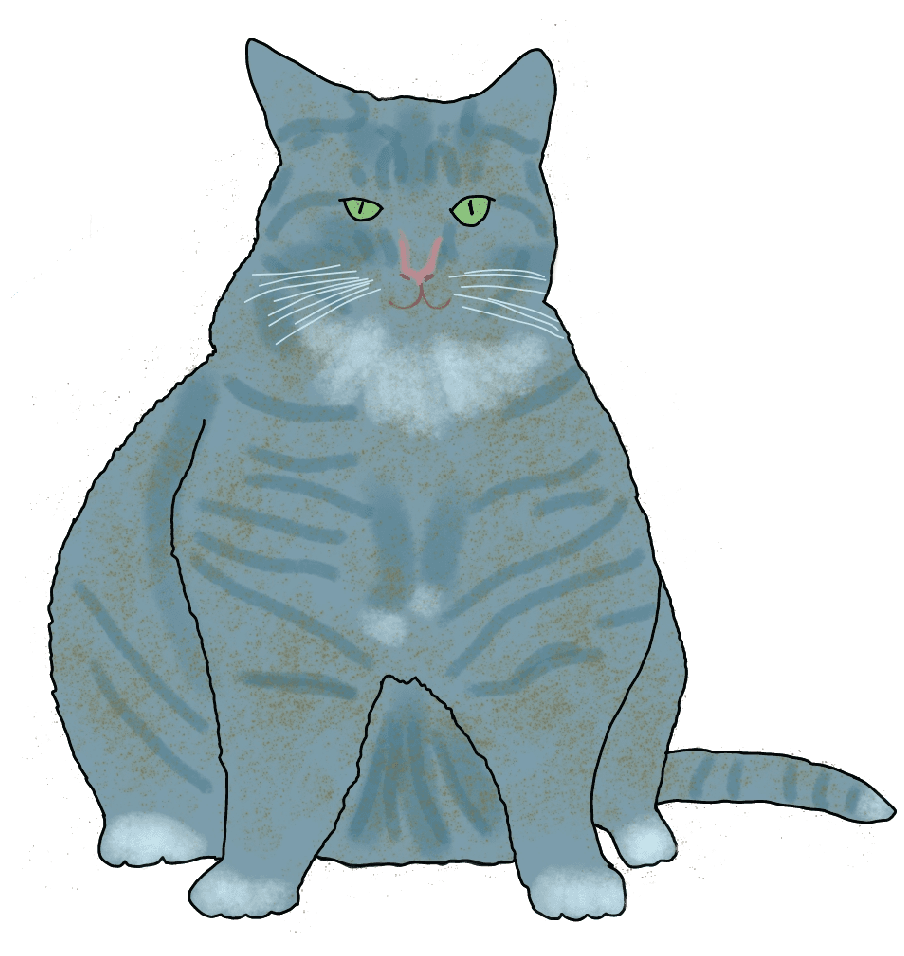
  3. cat
    A gray cat that weighs a lot.

  4. cat
    A tall thin hairless cat.

  5. man
    A drawing of a man with light skin, dark hair, and a blue shirt.

  6. man
    A portrait of a man with bad hair, missing teeth, a skin condition, and in need of a shave.

  7. slice of pie
    A slice of cherry pie.

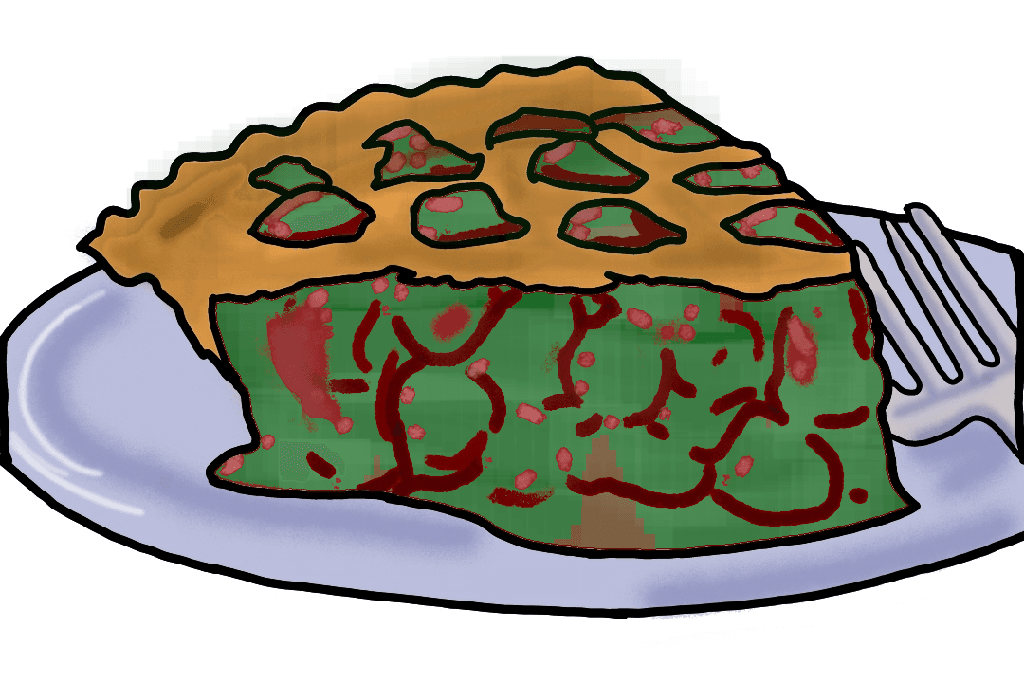
  8. slice of pie
    A slice of pie that looks rotten. It is oozing green and brown.

  9. glasses
    Two glasses with nothing in them.

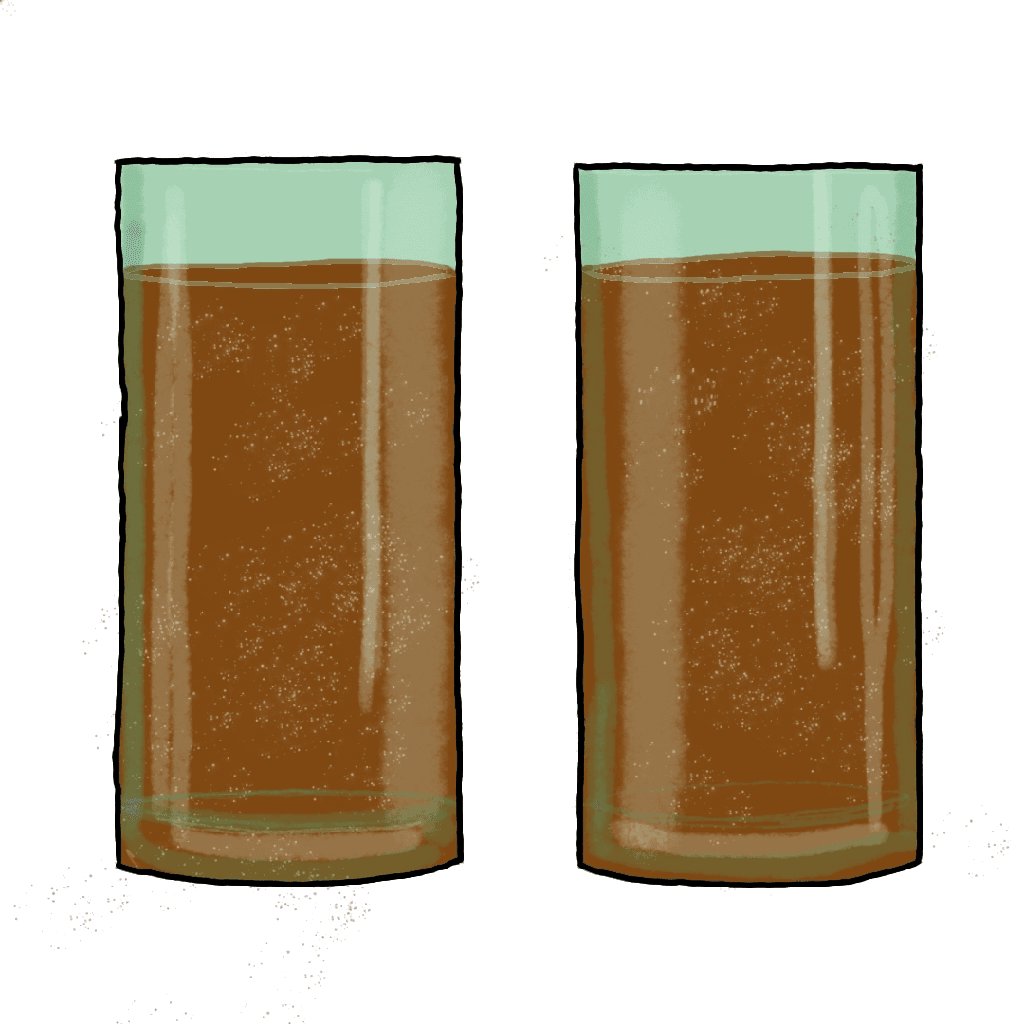
  10. glasses
    Two glasses filled with brown soda.

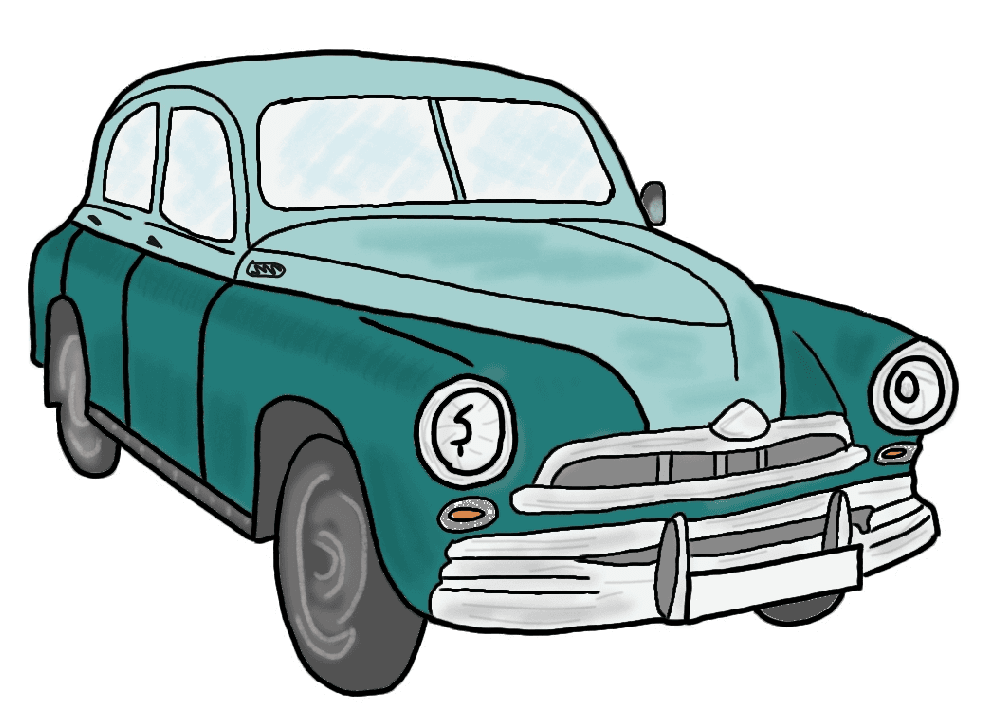
  11. car
    A drawing of an aqua car that looks like it's from the 1940s or 1950s.

  12. car
    A drawing of a yellow modern sporty car.

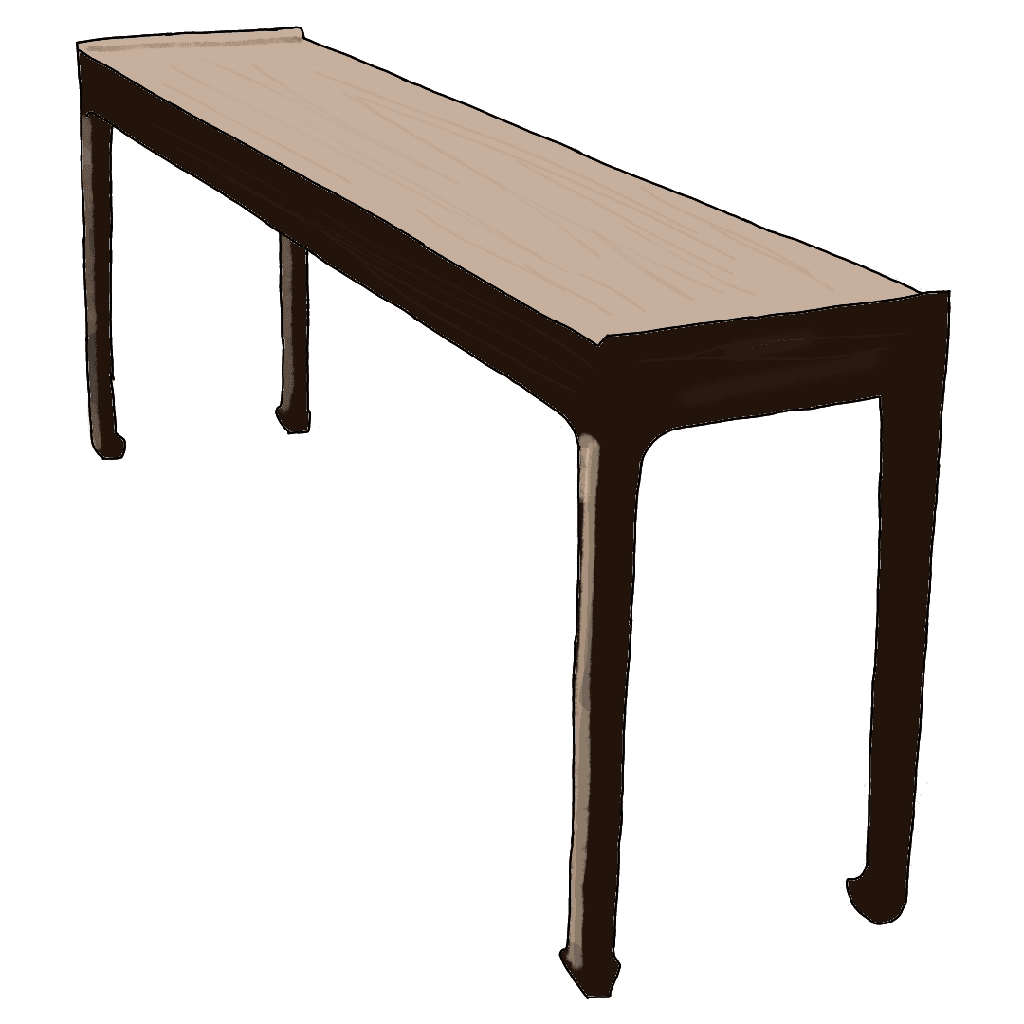
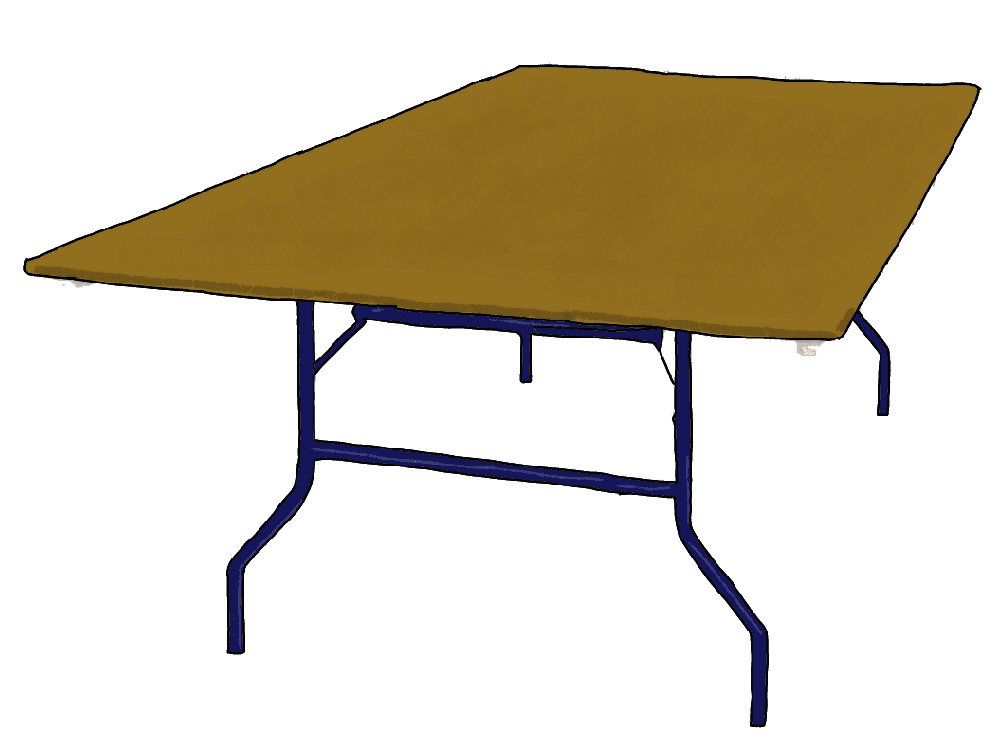
  13. table
    A long narrow console table.

  14. table
    A  drawing of a folding table that looks like it is close to being a square.

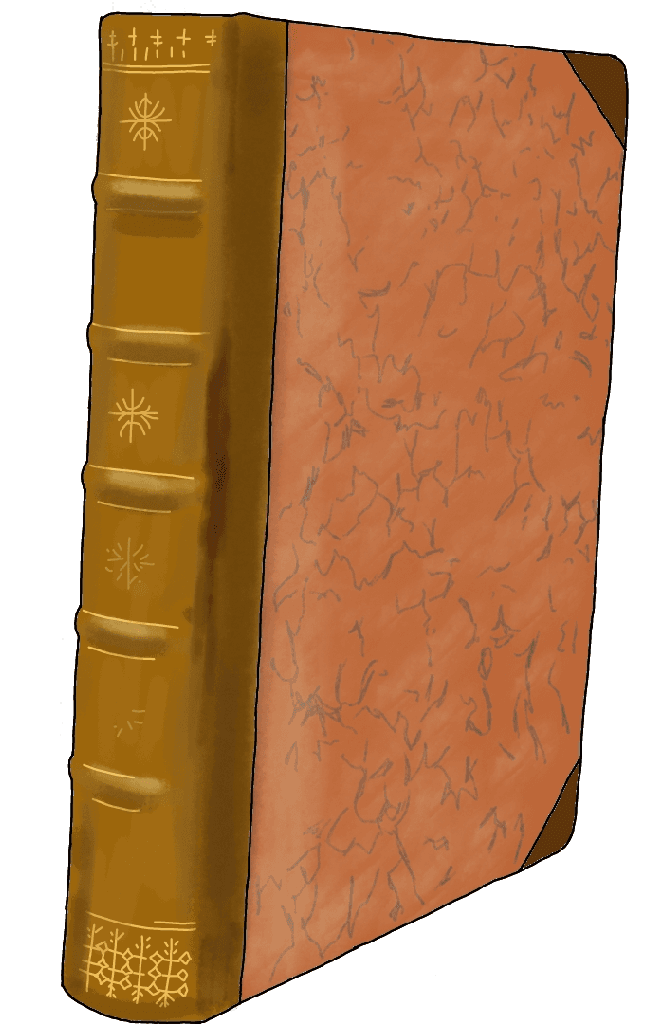
  15. book
    A narrow book with a hard, leather binding.

  16. book
    A big, fat, book with a green cover.

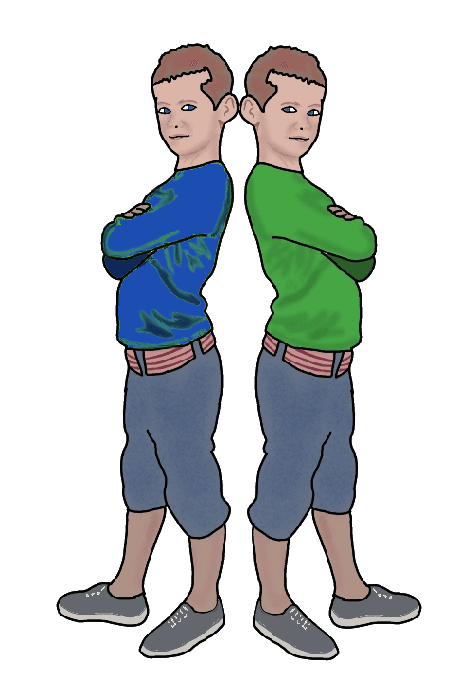
  17. twins
    Two identical boys stand back-to-back. One wears blue, the other green. They are not very tall.

  18. twins
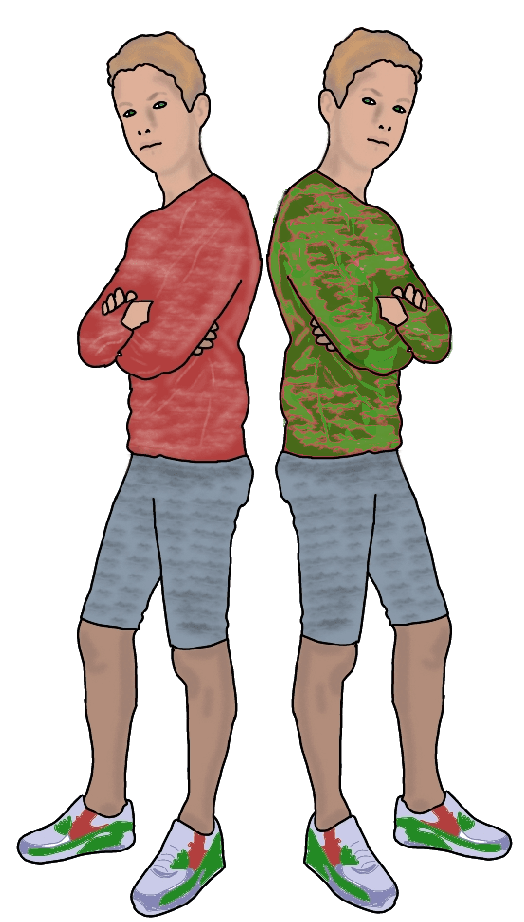
    Two identical teenage boys stand back-to-back. One in red, the other in green. They look long and lanky.

  19. dog
    A drawing of a light-colored dog with floppy ears and a big smile.

  20. dog
    A drawing of a snarling chihuahua.

Activity 2: Make your own adjectives!

In this exercise, you must take the verb from the first sentence and turn it into an adjective for the second sentence. Use the past participle form of the verb (regular verb root + -ed or irregular verb form).
  1. Mary is cooking rice for dinner.
    We are having rice for dinner.

  2. John finished his homework yesterday.
    John’s homework is .

  3. Patty burned her toast this morning.
    She had toast for breakfast.

  4. Jimmy hurt his arm playing ball.
    Jimmy's arm is .

  5. English grammar confuses Mark.
    Mark is by English grammar.

  6. Walking really tires me out.
    I’m a old man!

  7. Jill worries about her son’s school work.
    She’s a mom!

  8. I use my computer every day.
    I want to buy myself another computer.

  9. Jimmy does his math homework every day.
    Today, his homework is already .

  10. Going for a walk really excites my dog.
    When I call him to the door, he gets .